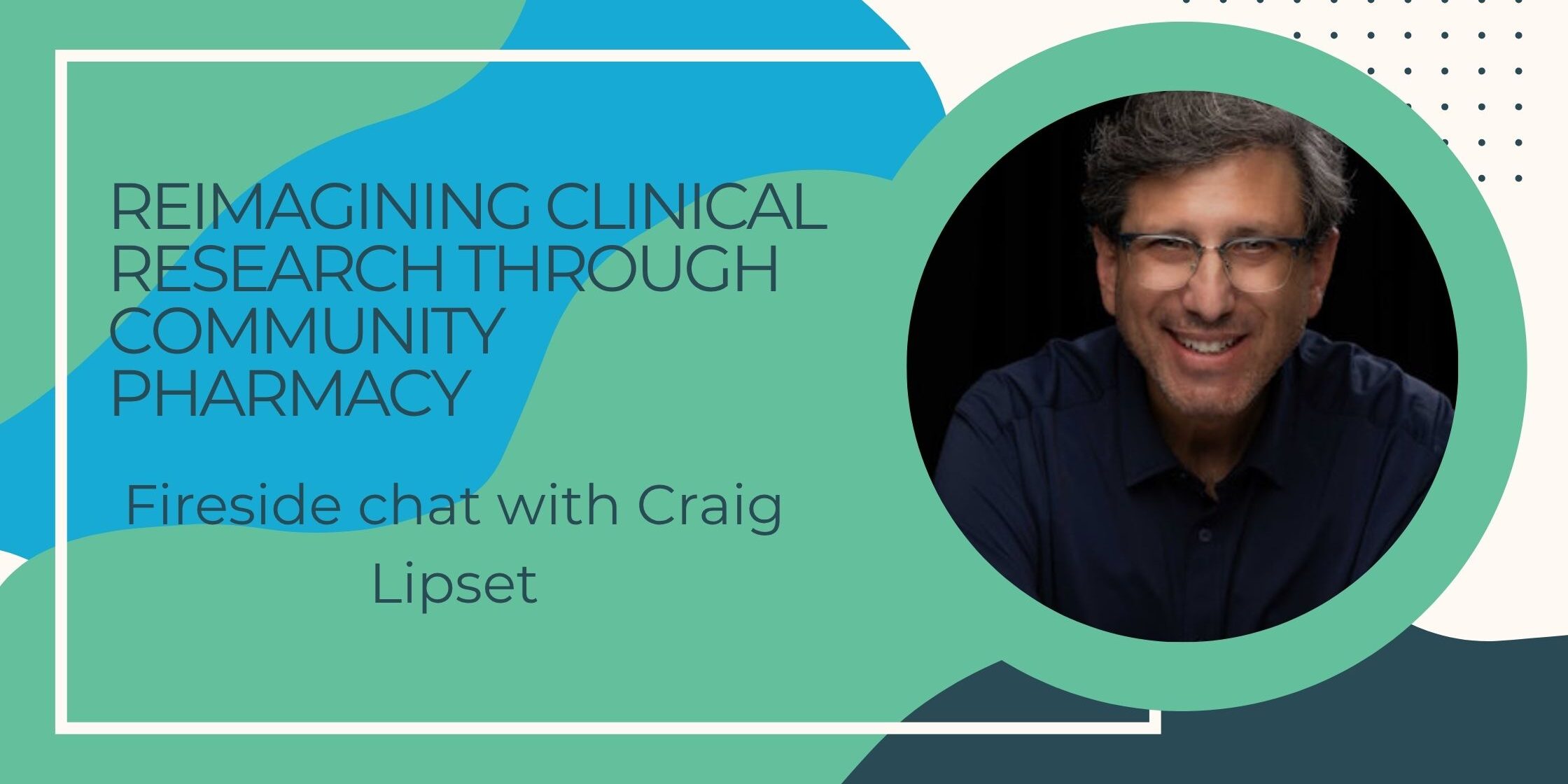
On April 21st, 2026, RxE2 hosted a landmark virtual fireside chat between CEO Gerald Finken and Craig Lipset, Co-Founder of the Decentralized Trials & Research Alliance (DTRA). The conversation moved beyond the buzzwords of virtual trials to address the fundamental architecture of how we develop medicines.
The Crisis of Access: Three Inputs, One Major Bottleneck
Craig Lipset opened the session by level-setting the three essential inputs of any clinical research program: the investigational medicine, the human participant, and the resulting data. While the industry has a robust pipeline of medicines, it is failing at the other two.
The industry continues to struggle with patient recruitment and representation because the current model is often unsustainable, unfair, and inequitable. For rare disease patients, the standard often involves flying families across the country just to access hope, a model that Lipset argues cannot last.
The Economics of DCT: Moving Beyond Direct Costs
A major hurdle in adopting Decentralized Clinical Trials (DCT) is the way algorithms in big pharma spit out study budgets. Gerald Finken noted that while direct costs (like shipping drugs to a patient’s home) might look higher on a line item, the indirect benefits, such as recruitment predictability and de-risking enrollment, are where the true ROI lies.
Furthermore, there is a perceived burden on study teams. Project managers often resist new decentralized tools not because they don’t work, but because of the friction of onboarding new vendors. As Lipset noted, “I want to go home at the end of the day… that’s what’s on people’s minds,” even if they won’t say it in a budget meeting.
The Hibachi Analogy: Hybrid is About Choice
One of the most memorable moments of the webinar was the Hibachi analogy. Lipset compared clinical trials to the restaurant industry:
- The Site Visit: Like a hibachi meal, some procedures are high-touch and require a proper administered and prepared setting.
- The Home Visit: Other procedures are like food delivery; Patients want the flexibility to participate from home without disrupting their jobs or families.
The goal of DCT is not to shut down research sites, but to create more paths for participation.
Breaking the "Bizarro Universe" of Research
Both Gerald and Craig agreed that research has historically operated in a parallel universe. In this “Bizarro Universe”, ad they dubbed it:
- Patients become “subjects“.
- Medicines become “investigational products“.
- Trusted local doctors and pharmacists are replaced by strangers at a distant academic center.
RxE2’s mission, as Gerald pointed out, is to bring research back into the trusted triad of the doctor, the pharmacist, and the patient. By keeping the patient’s existing care infrastructure involved, we reduce the fear of leakage (doctors losing patients to other systems) and increase patient trust.
The Regulatory Game-Changer: FDA and HCPs
The conversation highlighted the 2024 FDA final guidance on decentralized elements as a major breakthrough. The guidance introduces a path for Healthcare Providers (HCPs), like community pharmacists and local doctors, to perform routine care procedures for a trial without having to be formal investigators on an FDA Form 1572.
This shift allows routine tasks (like height/weight checks or routine blood draws) to happen locally, opening access to the 50% of patients who get their care in the community rather than at large academic centers.
The Path Forward: The Slope of Enlightenment
Is the DCT hype over? Lipset argues we are simply navigating the Gartner Hype Cycle. While the pandemic forced a “compressed and often unsustainable” adoption of these tools, we are now entering the “Slope of Enlightenment”.
Pharmaceutical sponsors are more committed than ever, even as vendors struggle to sell DCT as a standalone product. The future belongs to those who listen to patients, reduce the burden of participation, and integrate research into the fabric of community healthcare.